
The Health and Care Infrastructure Research and Innovation Centre delivers world class research to support better healthcare through better infrastructure. Read more »
 DOWNLOAD THE HaCIRIC BROCHURE
 FOLLOW US ON TWITTER
INTRODUCING HaCIRIC PROJECTS
Tackling the daunting challenges facing healthcare systems will often require system redesign. That’s why HaCIRIC's research programme focuses on the relationships between three fields - technology, services and infrastructure – and how they can be combined in new ways.
HaCIRIC brings together researchers from many disciplines, including economics, engineering, architecture, psychology, management and policy studies. HaCIRIC currently has a growing team of researchers working on more than 30 projects. We research key questions, but we also model potential solutions and disseminate the learning so that care systems can accomplish vital structural innovation.



Impact of Daylight on Occupants’ Wellbeing in Care Home Environments
Daylight has the potential to stimulate individual’s sensations and feelings. Older people who live in care homes experience daylight in waysthat might influence them psychologically. Read more »
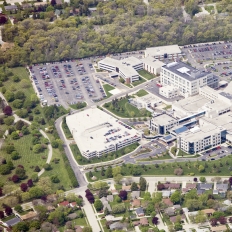
FPS Design Methodology: Future-Proofing Scenarios in Healthcare Conceptual Design Using BIM
Healthcare facilities are the NHS’s legacy and as in all major and complex projects in construction, the factor of uncertainty is present. Questions arise of how to design our buildings to be able to accommodate future demands. Read more »

MSV: Integrated programme on the application of modelling, simulation and visualisation to the delivery of enhanced performance and value in healthcare facilities
Understanding how healthcare infrastructure innovations impact on economic, social and clinical outcomes requires a wide range of methods to be deployed. Impacts need to be captured across different levels in a health system – from individual departments or wards in a hospital, for example, through individual organisations such as a hospital trust to local health economies – and over different timescales. Read more »
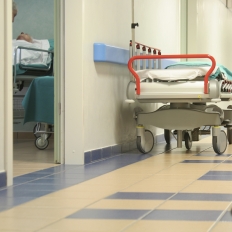
MSV5: The implementation and use of BIM tools and processes in the design and construction of two major UK hospitals
This project aimed to research the use of various modelling tools to support to provide coherence and data integrity throughout the project lifecycle from business case to design, to construction, to building operation and use. Read more »

An evidence based investment appraisal process to be used within business case development
Levels of safety critical backlog (high and significant risk) are problematic and have been steadily rising for several years. Read more »
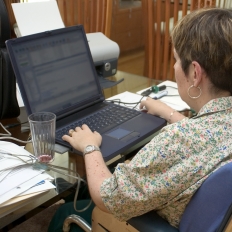
An approach to stakeholder consultation and engagement for use within estates planning strategies
Stakeholder consultation and public engagement has a critical role to play in the redesign of services and infrastructure in healthcare. It is widely advocated in government policy and enshrined in legislation. Read more »

Guidelines for the use of analytical tools more effective in healthcare planning processes
The main objectives of this project were to undertaken initial investigations to inform and enrich the overall appropriateness and context of ‘lean thinking’ within healthcare, specifically the work aimed to derive lessons from production theory for the improvement of healthcare, and provide input into HaCIRIC work on unplanned and urgent care. Read more »
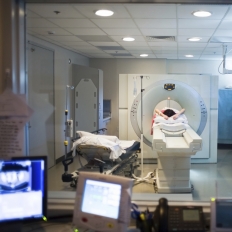
MSV2: Decision support system through modelling and simulation to optimise lighting design of healthcare spaces
Daylight has potential to stimulate individual’s sensations and feelings. Older people who live in care homes have sense of daylight that might influence them psychologically. The psychological effects of daylight can be observed under two incidents: longer-term effects and short-term effects. Read more »
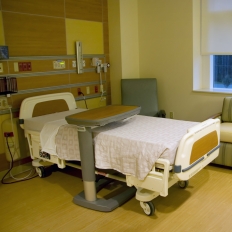
MSV3: Monitoring indoor environmental parameters to investigate from health impacts
The evidence of anthropogenic climate change has become more robust in recent decades (Le Treut et al., 2007). Observed trends indicate that central England has an increment of average temperature about 1 °C since the 1970s (Jenkins et al.,2010). Read more »
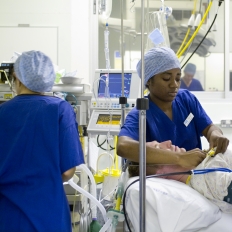
An evidence and model-supported approach to Strategic Asset Management
In 2009 the Department of Health (Estates and Facilities) recognised the need for a robust and evidence-based quality assessment tool for board-level assurance of healthcare premises. This was the result of growing incidences of non-compliance with national standards. The NHS Premises Assurance Model (PAM), a software-based tool, was developed to provide baseline quality assurance across NHS built assets, valued at almost £40bn with £7bn annual running costs. Read more »
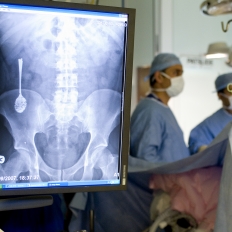
MSV1: Theoretical perspectives on performance indicators, parameters and modelling approaches to be considered during the design of healthcare facilities
The overall aim was to identify and where appropriate develop theory on various performance indicators, parameters and modelling approaches to be considered during the design of healthcare facilities. Read more »

MSV4: CFD based evaluation method to improve natural ventilation, environmental performance and maintain health without harm in healthcare spaces
Natural ventilation presents an opportunity to deliver comfort and acceptable air quality through low-energy simple or advanced techniques, without compromising comfort. However, existing healthcare ventilation standards are lacking in specific guidance on how to utilise natural ventilation strategies for health facilities. Read more »

Optimising future unplanned urgent healthcare through the use of simulation and modelling
Few studies have modelled complex multi-facility healthcare delivery systems at both the strategic and operational level. When compared to other sectors (e.g. defence), simulation modelling has had less reported impact on healthcare practice. Read more »

Innovation in stroke care delivery
This project investigated acute stroke care in Scotland. Thrombolysis is associated with improved outcomes and reduced disability for those who have suffered ischemic stroke. However, only a fraction of all patients who have suffered this type of stroke are receiving thrombolysis. Read more »
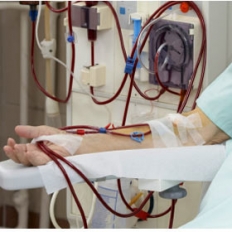
Innovations in renal care: BASIC-HHD: BArriers to Successful Implementation of Care in Home HaemoDialysis
Compared to in-centre haemodialysis, home haemodialysis, especially when used for extended hours of dialysis as in frequent daily dialysis and nocturnal haemodialysis, has been shown to improve patient outcomes, reduce the need for medication, and increase patients’ sense of freedom and control over their lives. Read more »
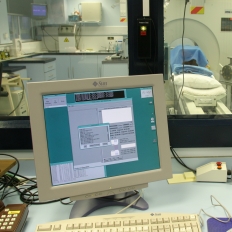
Resilience of healthcare delivery systems
Health infrastructure evaluation pre and post disasters is a critical component of the safety of patients and continuity of healthcare, however, this still a challenge as it is driven by several issues such as the evaluation techniques which are very generic and do not necessarily reflect the complexity of healthcare facilities. Read more »
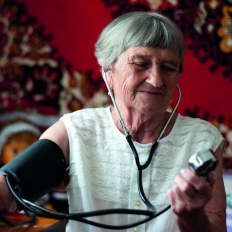


An investigation into the socio-economic, psychological and situational determinants for changing travel behavior of the NHS hospital staff in the context of travel plans
The negative externalities of high rates of car use associated with the NHS have been a major policy concern. Read more »

Managing major service and infrastructure transitions: A comparative study of UK, US and Canadian hospitals
The aim of this project is to construct a model of ‘best practice’ for healthcare transition planning which can be applied to future ventures and help to build a body of research specifically targeted at service and infrastructure transitions such as at those experienced at these case studies. Read more »

The impact of technological innovation on utilisation and costs
Technological change is considered the main driver of healthcare costs. Yet it is puzzling that a number of new technologies are simultaneously associated with lower unit costs and higher total costs. Treatment expansion and substitution provide a possible explanation for this: new technologies tend to be complements rather than substitutes for older technologies. A greater focus on changes in utilisation besides unit costs may provide important insights into why technological change is increasing costs, and what can be done about it. Read more »

Modelling Complex Sustainable Urban Environments for 2050
The design and delivery of physical infrastructure in our neighbourhoods need to be sufficiently innovative to respond to the demands of changing systems over time if to be sustainable in the long-term. Such a vision for the future would need to move beyond snap-shot studies and project for the future by capturing, understanding, and modelling the dynamics of changing systems and sub-systems. Read more »

An examination of different mechanisms aimed at facilitating knowledge transfer across professional and organisational boundaries in healthcare
Literature suggests there is no ‘magic bullet’ to move healthcare research into improved clinical practice. This difficulty is linked to NHS structures and organizational complexity; there are multiple stakeholders, networks and silos. Read more »

Enhancing buildability by improving design-construction feedback loops in complex projects
The research development of a theoretical framework that provides support to within- and cross-organisational learning from complex construction projects that combines qualitative, quantitative, technological and non-technological solutions. Read more »
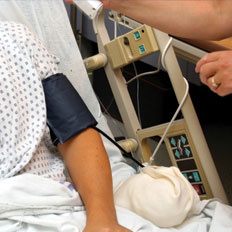
Embedding Patient-level Information and costing Systems in the Health System: Implementing and Using PLICS
The Department of Health (DH) is currently introducing a new cost accounting method in NHS trusts, known as patient-level information and costing system (PLICS). Read more »
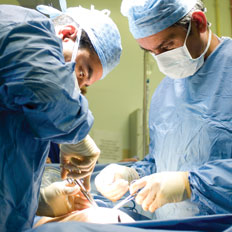
Use of Modelling Tools
The project addresses the issue of the role of simulation modelling in the planning of health care infrastructure and services. Simulation models can result in improved stakeholder buy-in, creative problem solving and more effective decision processes. Read more »

The feasibility of natural ventilation in healthcare buildings
The physical characteristics of healthcare facilities can have positive impacts on the occupants.They can reduce the level of anxiety and stress, and aid patient recovery. The concept of designing therapeutic environments is not new; however, the relationships between environmental stimulus and response are complex and not fully understood. Read more »
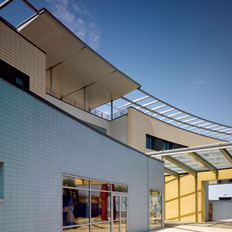
Quantifying the Benefits of Healthcare Infrastructure Development
The project established the principles of representing stakeholders’ judgments of benefit “worth” in financial terms and to successfully translate these principles into a Benefits Quantification Method that integrates with the Benefits Realisation (BeReal) model to provide a characterisation of ongoing programme or project performance. Read more »

Demand driven innovation: European Structural Fund supported healthcare projects
The aim of this research is to develop a detailed understanding of how the use of EU Structural Funds stimulate innovation in long-term, complex healthcare infrastructure projects by investigating the planning, procurement and operate phase of these projects. The work will contribute to academic literature and debates on demand led innovation and public procurement and innovation with a focus on complex, long-term healthcare services and infrastructure projects. Read more »

Design for Flexibility and Change within health service providers
The NHS is involved in a profound transformation process as it strives to keep pace with, and shape, changes in our society. Read more »

Hospital nursing staff productivity- the role of layout and people circulation
As a facility that offers an important service to its users, a hospital can be considered as a ‘production unit’; a unit that provides healthcare service. Read more »

An organisational analysis of North West London Collaboration for Leadership in Applied Health Research and Care (CLAHRC).
This project aims to devise and evaluate a systematic approach for the rapid adoption of clinically effective interventions. It will develop a model for the conduct and application of health research that is transferable across the NHS, and develop research capacity and capability across northwest London. Read more »
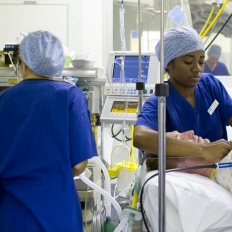
The Value of Department of Health Estates-Related Standards and Guidance
The Department of Health (DH) is responsible for one of the largest estates in Europe. In this capacity the DH produce and disseminate estates-related Standards & Guidance (S&G) to provide support to the briefing and design processes for new, and refurbishment projects in old healthcare buildings. Read more »


Assessing Transport Implications of Healthcare Facility Reconfiguration using GIS
This PhD built off our recently DH funded research with the Princes Foundation (PHIФ: Planning Healthcare Infrastructure; Implementing the Next Stage Review Healthcare Infrastructure) and involved working very closely with the local healthcare sector during a period of major reconfiguration. Read more »

Open Planning for Healthcare Infrastructure (OPHI), with Emergency and Urgent Care case studies
Strategic estates scenario planning and project decision making techniques for acute NHS Trusts. Read more »
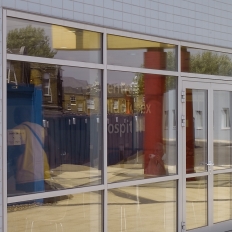
The Innovative Design of Well-Performing Built Healing Environments
Built healthcare environments exert a range of aesthetic, ventilation, and lighting related impacts on their occupants (patients, staff and visitors). Read more »
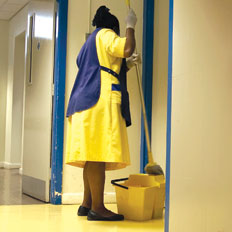
Objective assessment of hospital ward cleaning using hygiene surveillance and continuous improvement process tools
HaCIRIC runs a new multidisciplinary research programme on controlling healthcare associated infections (HCAI) such as Staphylococcus aureus (MRSA) and Clostridium difficile. Read more »
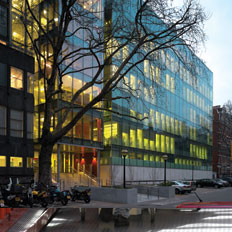
A Comprehensive Evaluation of the Implementation and Impact of Telecare and Telehealth across Health and Social Care − the Whole System Demonstrator (WSD) Evaluation
The Whole System Demonstrators (WSD) programme, the largest trial of telecare and telehealth in the UK to date, is a part of the Government’s plan to invest in innovative technologies that shift care away from acute services to primary care and the home. It aims to provide better quality of care for the increasing number of people with long-term conditions. Read more »
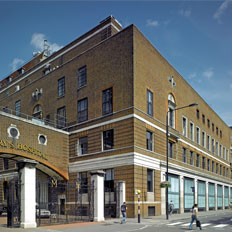
Incorporation of Therapeutic Effect of Daylight in the Architectural Design of In-patient Rooms to Reduce Patient Length of Stay (LoS) in Hospitals
The biological need for lighting by an individual differs from the merely visual purpose, such as viewing objects and doing work or movement. Read more »

Strategic Asset Management and Integrated Service Provision within the Healthcare Sector
The delivery of health and social care in the UK is undergoing profound change and being redesigned to provide high quality services, better capacity and performance. Read more »

An integrated approach to the design of high quality healthcare space and flexible layouts using Modelling, Simulation and Visualisation (MSV)
The NHS has recently undertaken a major programme of investment and reform, and the Department of Health has recommended that the design of new healthcare facilities and refurbishment of existing buildings should be flexible enough to cope with changing patient expectations, new treatments and medical advances. Read more »
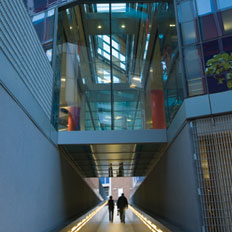
The Design of Sustainable Healthcare Infrastructure: Improving Resilience, Energy and Waste Management
The relationship between healthcare infrastructure and sustainability is strong in terms of impact on whole life value, health and wellbeing Read more »

Optimisation of healthcare facility spatial layout
Despite significant technological and scientific advances in healthcare provision and treatment, many economies are struggling to address increasing costs while enhancing accessibility to quality health and care services Read more »
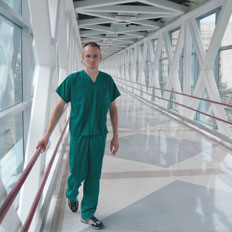
A refurbishment framework with an emphasis on energy consumption of existing healthcare facilities
Despite significant investment and advancement in technologies, many existing healthcare facilities are below an acceptable standard when energy and operational performance are considered. Energy efficiency and carbon emissions have become major issues by industry and government global warming. Read more »
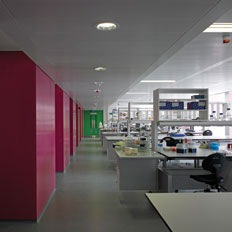
Reducing Construction Waste in Healthcare facilities: A Project Lifecycle Approach.
The project has been designed to develop a life cycle construction waste minimisation framework for healthcare facilities. Read more »
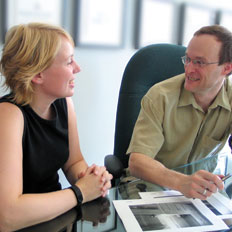
Modelling the Effects of Ubiquitous Monitoring on Staff and Patient Behaviour in Healthcare
The project examines how ubiquitous monitoring influences human behaviour in Intelligent Pervasive Spaces (in healthcare and other contexts); and from this to generate a model for understanding, predicting, and therefore preventing, any undesirable side effects associated with the introduction of this technology. Read more »
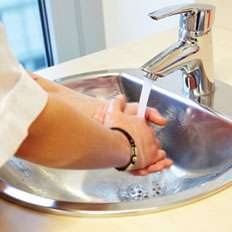
Healthcare facilities: The environment and users’ behaviour, and how these relate to the acquisition of hospital acquired infection
HaCIRIC runs a multidisciplinary research programme on controlling healthcare associated infections (HCAI) such as Staphylococcus aureus (MRSA) and Clostridium difficile. Read more »
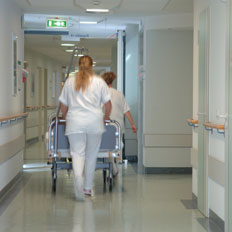
Benefits Realisation
Following the emergent importance of benefits realisation applied to healthcare infrastructure and service development programs, HaCIRIC has undertaken a research initiative targeting the development of a robust and comprehensive Benefits Realisation (BeReal) process. Read more »
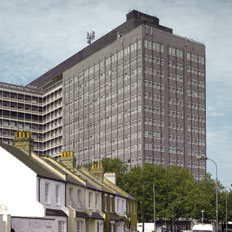
Effects of the built environment on health
Every day, thousands of people experience the pressure of a hospital environment. Inappropriate surroundings can aggravate anxiety, depression, stress and emotional exhaustion, among other effects. Read more »

Adaptability and Innovation in Healthcare Facilities
The need to design and build hospitals that can adapt to changing conditions – as policies, technologies and care practices evolve – has long been recognised. In the UK, the 1960s and 1970s saw a wave of innovative designs in hospitals to meet this need. Read more »
PARTNERS ORGANISATIONS